
Context
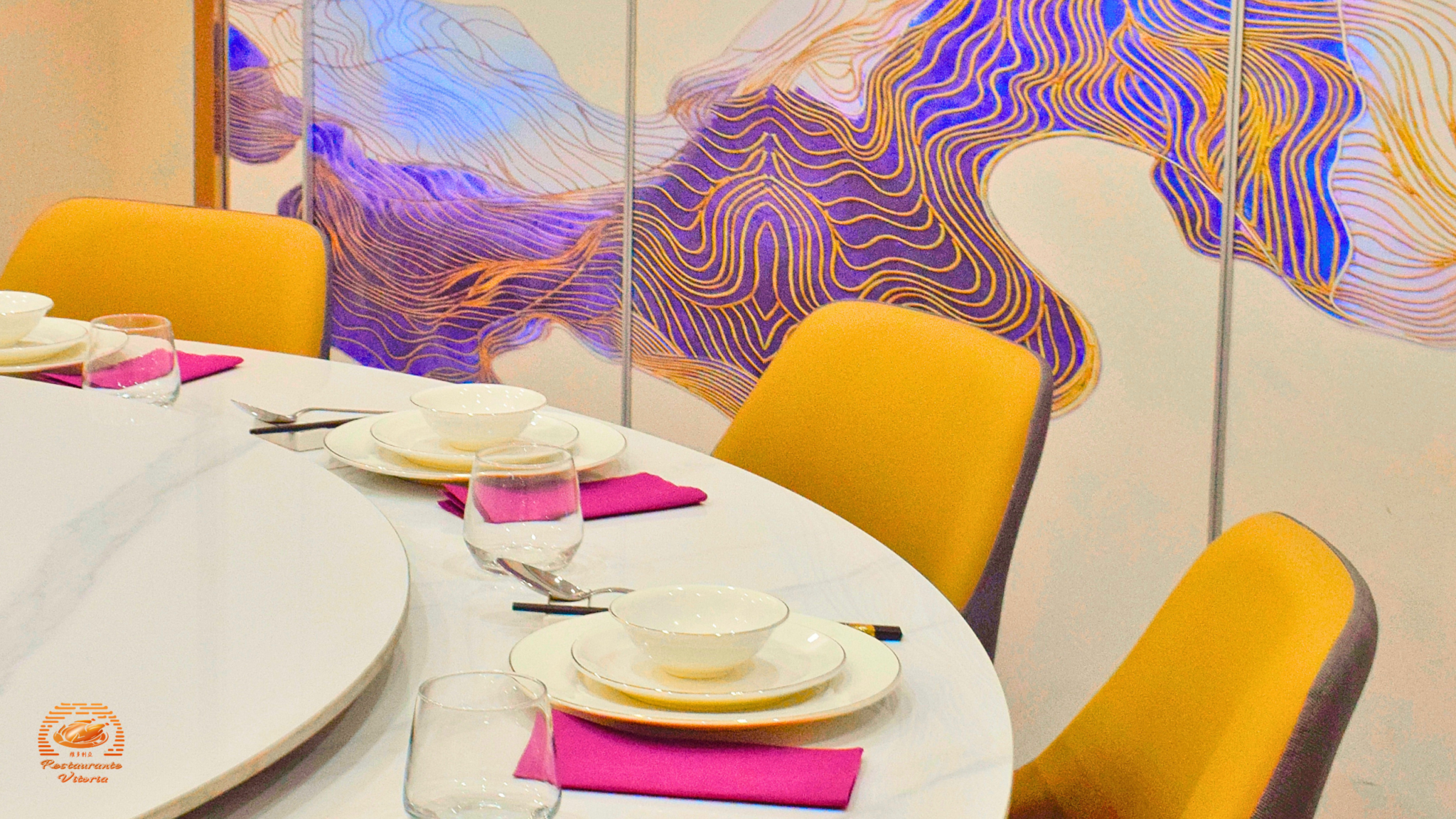
Vitoria Restaurante is a Cantonese restaurant located in Lisbon, Portugal, dedicated to offering an authentic Chinese dining experience to local residents. Positioned in the mid-market segment, the restaurant aims to provide good value for money—avoiding the low-end “quick eatery” model while not positioning itself as a fine-dining concept that focuses excessively on luxury dining experiences.
Challenges
Insufficient depth in digital content
Although the restaurant offers high-quality dishes, its existing social media presence lacked a systematic and structured content narrative, limiting its ability to effectively communicate the culinary craftsmanship, authenticity of Cantonese cuisine, and the brand’s positioning.
Pre-existing market perceptions
In the Portuguese market, some consumers still associate Chinese restaurants with fast-food-style dining, poor hygiene, unhealthy food, or highly standardized and undifferentiated concepts. This perception can hinder the recognition and acceptance of higher-quality Chinese dining experiences.
Intense local competition
As the capital of Portugal and a major tourist destination, Lisbon has a highly competitive restaurant landscape, with numerous Asian and fusion dining concepts present in the market. Establishing a clear and distinctive brand differentiation is therefore essential.
Approach
Digital content differentiation strategy
Content positioning: Unlike many mainstream Chinese restaurants on social media, we did not adopt the typical fine-dining content strategy that relies heavily on polished food photography and atmospheric visuals to attract a high-end audience. Instead, we developed a more approachable and authentic content style that lowers the decision barrier for potential customers, allowing audiences to intuitively feel the warmth, energy, and authenticity of Chinese cuisine.
Diverse content strategy: In addition to standard food photography, we introduced educational and process-driven content. This included short-form videos focusing on cooking techniques and kitchen processes, such as handmade dim sum preparation, high-heat wok cooking techniques, and first-person perspectives from inside the kitchen. These formats help spark curiosity while creating a more immersive viewing experience.
Humanising the brand: The head chef was positioned as a central figure in the brand narrative. By building a personal brand around Chef Zhu as the restaurant’s culinary representative, we strengthened both the emotional connection with audiences and the perception of professional authority. Storytelling formats and behind-the-scenes kitchen content further enhanced brand memorability and credibility.
Customer experience SOP
Customer experience was strengthened through the implementation of structured service SOPs to improve the overall dining journey. This addresses a traditional weakness often found in Chinese restaurants, where the focus is primarily on food quality while the experiential aspect of dining is overlooked. Improvements included clearer menu guidance (introducing signature dishes and Cantonese specialties to first-time guests), more interactive service touchpoints (such as brief introductions to dishes or ingredients), and post-meal engagement mechanisms that extend the customer experience beyond the table.
Collaborations as communication leverage
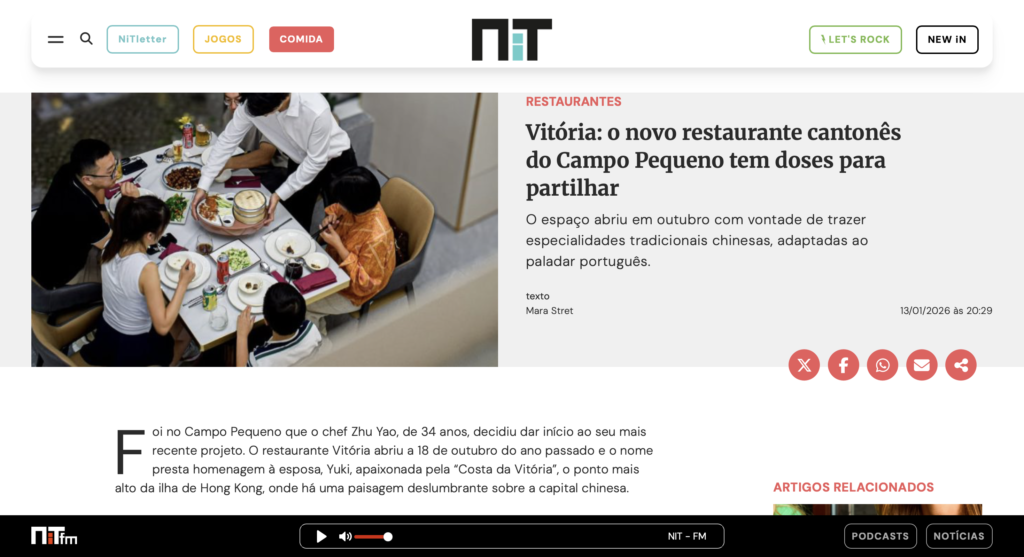
Collaboration with local content creators and media: Partnerships were established with Lisbon-based food creators and lifestyle media to co-create thematic content that goes beyond generic restaurant reviews. Examples include creator-led experiences such as “first-person kitchen access in a Chinese restaurant” and “learning a Cantonese dish with the chef”. By leveraging the creators’ storytelling style and audience base, the content achieved stronger engagement and reached more targeted audiences.
Festival and cultural campaigns: Cultural moments such as Chinese New Year and the Mid-Autumn Festival were used as communication opportunities. Creator collaborations around special menus, festive dining experiences, or short videos introducing traditional food customs helped amplify brand exposure while positioning Chinese cuisine within a broader cultural narrative.
Results
During the first three months of the collaboration, the restaurant achieved consistent business growth, with a month-over-month revenue increase of approximately 20–28%, indicating the positive impact of the brand positioning and digital content strategy on customer acquisition.
Throughout the collaboration period, the marketing initiatives delivered an average ROI of approximately 6, demonstrating effective conversion of marketing investment into measurable business performance.